
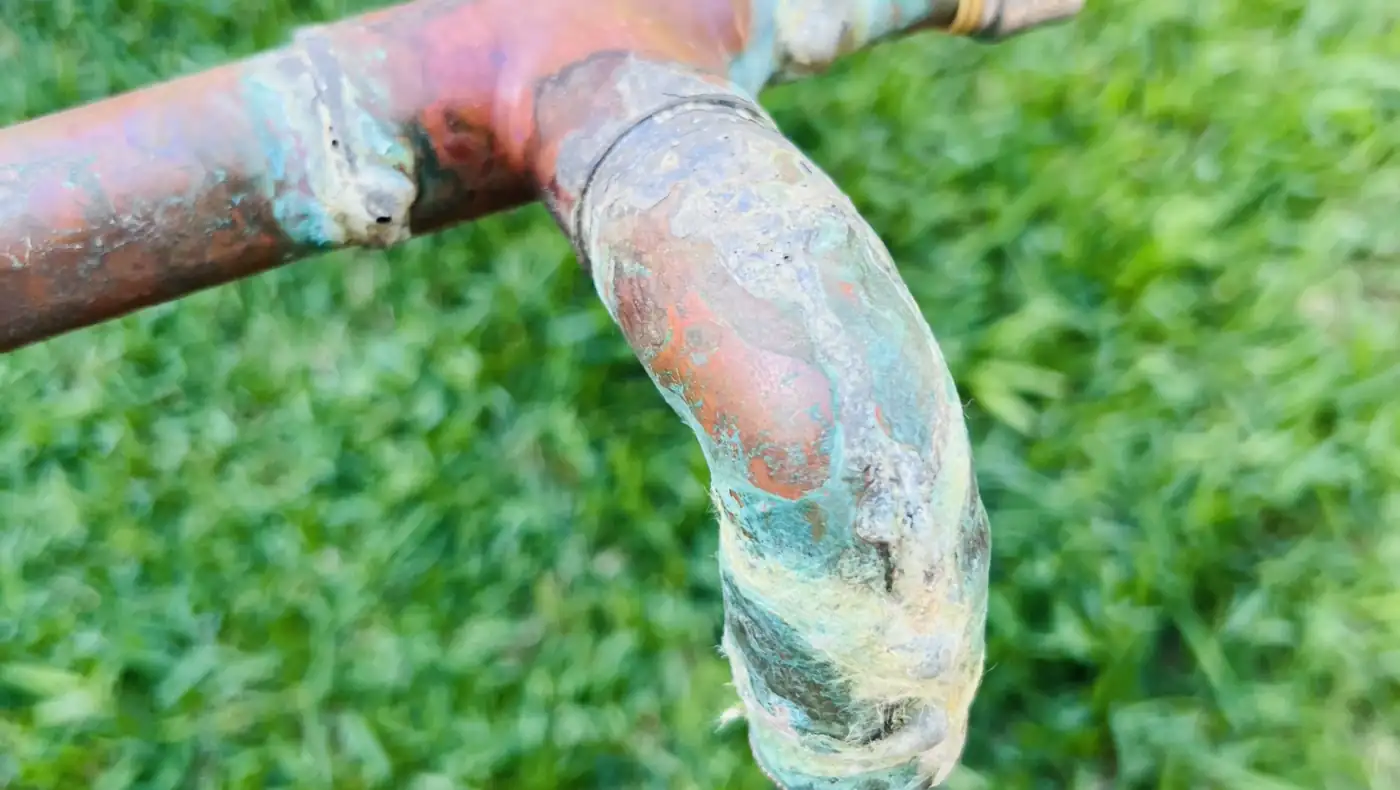
Houston's Hard Water Problem: What It Does to Your Plumbing
If you've ever wiped down your faucet and found a white crusty buildup around the base, or noticed your showerhead starting to spray sideways, you've already met Houston's hard water problem face to face.
Hard water isn't dangerous to drink. But it's genuinely destructive to your plumbing system and appliances — in a slow, invisible way that most homeowners don't connect to water quality until something fails.
What hard water actually is
Water is "hard" when it carries high concentrations of dissolved minerals, primarily calcium and magnesium. These minerals are picked up as groundwater moves through limestone and rock formations before it reaches your tap. Houston draws water from a mix of surface reservoirs and groundwater sources, and depending on where you are in the metro area, your water hardness can range from moderately hard to very hard.
The standard measurement is grains per gallon (GPG). Anything over 7 GPG is considered hard. Parts of Houston regularly test between 10 and 20 GPG. For reference, soft water is below 1 GPG.
What it does inside your pipes
When hard water is heated — which happens constantly in your water heater, dishwasher, and washing machine — the minerals precipitate out and bond to surfaces as scale. Inside pipes, that scale builds up over years and decades. The interior diameter of the pipe gets smaller. Water pressure drops. In older galvanized pipe, scale combines with rust to create a particularly aggressive buildup that can eventually block flow almost entirely.
In copper pipe, scale buildup is less severe, but it still coats the interior walls and reduces efficiency. In PEX — the flexible plastic tubing used in most modern repipes — buildup is minimal because the smooth interior doesn't give minerals as much to grab onto.
What it does to your water heater
Your water heater takes the hardest hit. Hard water scale settles at the bottom of tank units as sediment. That layer of hardened mineral deposits acts as an insulator between the burner and the water. The unit has to work harder and longer to heat the same amount of water. Your gas or electric bill goes up. The heating element or burner runs hotter and wears out faster. The expected lifespan of a water heater in a high-hardness area without treatment drops noticeably compared to one in a soft water region.
This is why annual water heater maintenance — flushing the tank and checking the anode rod — matters more in Houston than it does in a city with naturally soft water.
What it does to your fixtures and appliances
The white scale you see on your faucet base, showerhead, and glass shower door is the same thing accumulating inside your dishwasher, washing machine water inlet valves, and ice maker lines. Showerheads clog with mineral deposits and start spraying unevenly. Dishwashers leave spots on glasses. Washing machines work harder and the heating elements scale up. Over a long enough timeline, fixtures need replacement earlier than they should.
Solutions that actually work
A whole-home water softener is the most effective solution. It uses a process called ion exchange to swap calcium and magnesium ions for sodium ions, producing genuinely soft water throughout your entire house. Your water heater lasts longer. Scale stops building on fixtures. Soap lathers better. Many Houston homeowners notice an immediate difference in how their skin and hair feel after installing one.
If you don't want to go the full softener route, a whole-home carbon filter combined with targeted scale inhibitor cartridges at the water heater inlet is a middle-ground option. It won't produce soft water, but it significantly reduces the damage.
At a minimum, maintain your water heater. Flush it annually to clear sediment, replace the anode rod every three to five years, and don't ignore the signs that scale has gotten ahead of you — popping noises, reduced hot water capacity, and higher energy bills are all telling you something.
If you're not sure what your water quality looks like or you want to know what's accumulating inside your plumbing, ARG Plumbing can help. Give us a call at (832) 419-3411 and we'll walk you through your options without trying to sell you something you don't need.

Hristo
Master Plumber · ARG Plumbing
Need Help?
Have a Plumbing Question?
Call us or schedule service online. Honest answers, no pressure.