
Drain & Sewer Emergency
Clogged Drain? Here's What to Do Right Now.
A slow drain that's ignored almost always becomes a fully blocked drain. Here's how to diagnose what's happening and what you can safely try before it gets worse.
What's Going On
Understanding the Problem
When water backs up in a sink, tub, or shower drain, something inside the pipe is restricting flow. In Houston homes — many of which sit on slab foundations with cast iron drain lines installed in the 1950s through 1980s — clogs can be surface-level or deep in the line. The distinction matters: a simple hair clog near the drain opening is a DIY fix, while a blockage in the main line or a collapsed pipe requires a professional.
Diagnosis
Common Causes
1Hair and soap scum buildup
The most common cause of bathroom drain clogs. Hair wraps around the drain stopper or the pipe walls just below it, and soap scum binds it into a solid mass over time. Shower drains are especially vulnerable. These clogs are usually within the first 12–18 inches of pipe and are often reachable by hand or with a drain snake.
2Grease and food waste in kitchen drains
Cooking grease goes down liquid but solidifies as it cools inside the pipe. Over time it coats the pipe walls and catches food particles, coffee grounds, and anything else that passes through. This is a gradual process — the drain gets progressively slower until it stops. Running hot water while pouring grease down the drain doesn't help; it just pushes the grease a little further before it hardens. It's worse in winter: Houston Public Works says that each year, when temperatures decrease, it "responds to twice as many sewer overflows due to blockages caused by grease, oils, and fats."
3Buildup in older cast iron pipes
Many Houston homes built before 1990 have cast iron drain lines beneath the slab. Cast iron develops a rough, corroded interior surface over decades, which catches debris easily and can accumulate scale and mineral deposits from Houston's hard water. These pipes also sometimes shift or crack under the slab, creating partial obstructions that look like clogs but are actually structural.
4Tree root intrusion
Houston's heavy clay soil and abundant tree cover mean root intrusion is a real risk — especially in older homes with clay tile or deteriorating cast iron sewer lines. Roots enter through small cracks or loose joints, then grow to fill the pipe. What starts as a slow drain can quickly become a complete blockage. This almost always requires professional clearing with a rooter or hydro-jetter.
5Foreign objects in the drain
Bottle caps, cotton swabs, small toys, or chunks of bar soap can lodge in the trap or just below it and create an instant blockage. If a drain went from fully functional to completely blocked overnight, something likely fell in.
6Venting problems
Every drain needs a vent to allow air into the system as water drains out. If the vent pipe is blocked — by debris, a bird nest, or an improperly installed vent cap — drains will gurgle and drain slowly even if the pipes themselves are clear. You may hear a sucking or gurgling sound from nearby drains when water goes down.
DIY Troubleshooting
What You Can Try
Remove and clean the drain stopper or strainer
In bathroom sinks and tubs, the stopper often collects a significant hair and soap mass right on or just below it. Lift or unscrew the stopper, clean off all debris, and test the drain. This single step clears a surprising number of slow bathroom drains.
Use a drain plunger (cup plunger, not a flange plunger)
Fill the basin with an inch or two of water, place the cup plunger over the drain opening to create a seal, and push down and pull up with firm, steady strokes — don't just push. Do 15–20 plunges. If water starts draining, follow with a full basin of hot water to flush the loosened debris down the line.
Try a plastic drain snake or zip-it tool
These inexpensive barbed plastic strips are available at any hardware store and are excellent for pulling hair clogs out of bathroom drains. Insert it into the drain, rotate it, and pull slowly to grab and extract the clog rather than push it deeper. Wear gloves — what comes out is unpleasant.
Flush with boiling water (for kitchen drains only)
For grease-related kitchen drain clogs, carefully pour a full kettle of boiling water down the drain in two or three stages, allowing it to work for a few seconds between pours. The heat can melt and push through soft grease buildup. Do not do this with PVC pipes, which can soften under extreme heat — but most kitchen drain lines are metal.
Check if multiple drains are affected
If one drain is slow, you likely have a localized clog. If multiple drains in the house are slow or backing up at the same time, the blockage is in the main sewer line — stop trying to clear individual drains and call a plumber. Using water when the main line is blocked can cause sewage to back up into your lowest fixtures.
Know When to Call
When to Call a Pro
Call ARG Plumbing at (832) 419-3411 if multiple drains are slow or backing up at the same time, if you've tried plunging and snaking without success, or if you hear gurgling from drains or toilets when using other fixtures. These are signs of a main line issue or a deeper blockage that requires professional equipment. In Houston's older homes especially, persistent clogs often mean deteriorating cast iron that needs camera inspection.
Pro Tip
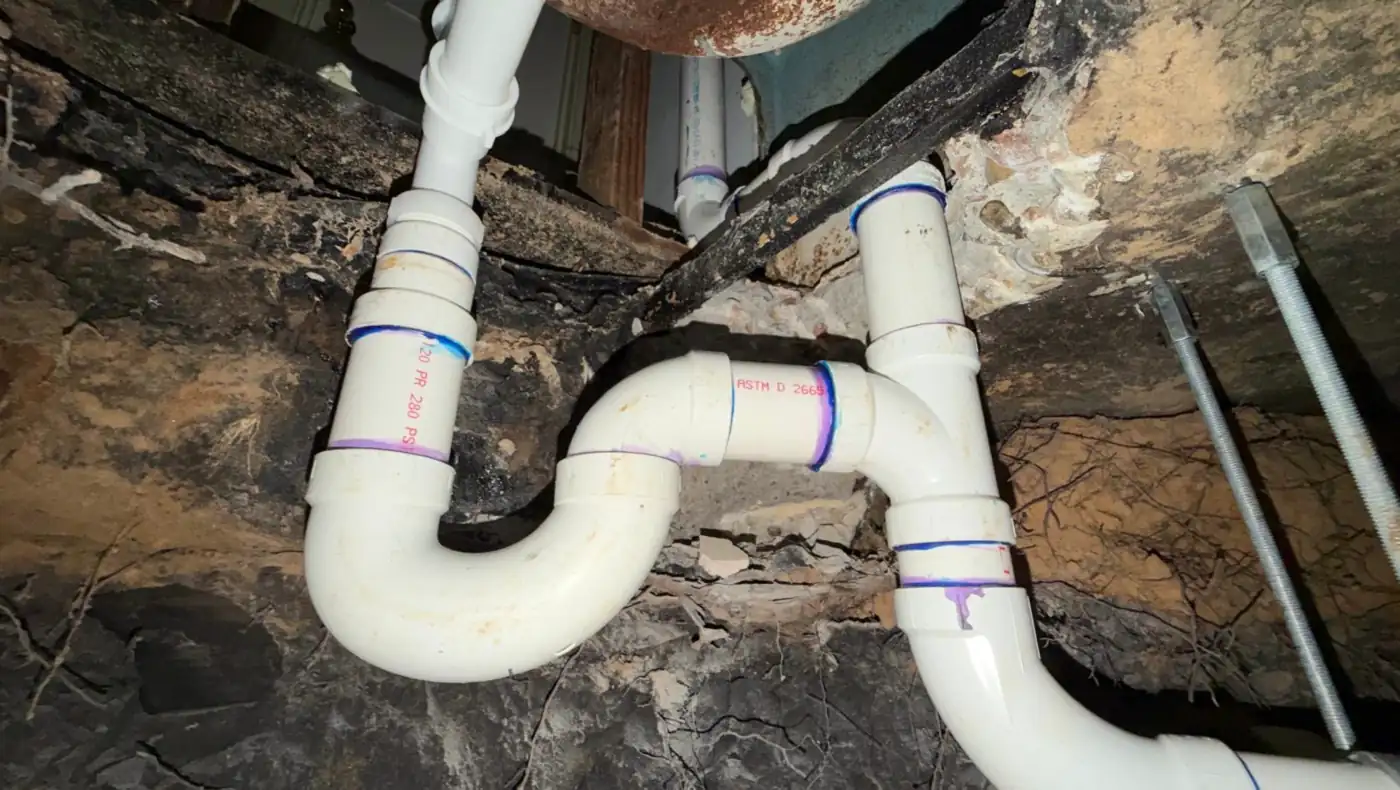
Never use chemical drain cleaners like Drano or Liquid-Plumr as anything more than a last resort. They rarely clear serious clogs and the caustic chemicals sit in your pipes, corroding older metal drain lines and eating away at rubber gaskets in P-traps. If it doesn't fully clear the clog on the first use, you've now got a pipe full of caustic liquid that a plumber has to deal with safely before they can work on your drain.
Further Reading
- Protect Our Pipes
Houston Public Works' program on keeping grease and wipes out of the sewer: how to get rid of cooking grease, what not to flush, and why clogs spike in cold weather.
“70% of sewer overflows in Houston are caused by clogs from fats, oils and grease poured down the drain and wipes flushed down toilets.” — Houston Public Works
houstonpublicworks.org

Hristo
Master Plumber · ARG Plumbing